 |
 |
| . |
| H2OFF Dunedin |
FLUID APPLIED WATERPROOFING |
|
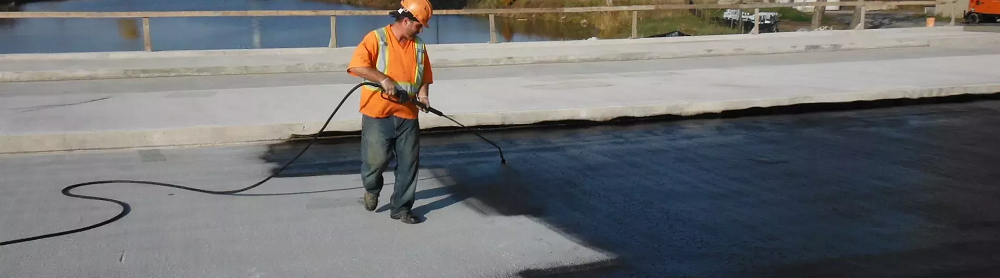
Fluid-applied waterproofing is a popular technique used to protect buildings and structures from water damage. This type of waterproofing involves applying a liquid material directly onto the surface to create a seamless, waterproof membrane. The fluid can be made from various materials such as asphalt, urethane, acrylic, or silicone. The fluid-applied waterproofing process involves several steps. First, the surface must be cleaned and prepared to ensure proper adhesion of the waterproofing material. Next, a primer is applied to the surface to enhance the bonding between the surface and the waterproofing material. Then, the fluid is applied using a spray, roller, or brush. One of the advantages of fluid-applied waterproofing is its ability to conform to the shape of the surface, regardless of whether it's flat or sloped. This means that there are no seams or joints, which can be a weak point in the waterproofing system. Fluid-applied waterproofing is commonly used in commercial and industrial settings such as parking garages, roofs, balconies, and basements. It's also used in residential construction, particularly for foundations, decks, and balconies. One of the benefits of fluid-applied waterproofing is its durability. When properly applied and maintained, it can provide long-lasting protection against water damage and moisture intrusion. It also offers resistance to chemicals, UV radiation, and extreme temperatures. Another benefit of fluid-applied waterproofing is that it can be customized to meet specific requirements. For example, some fluid-applied waterproofing materials are designed to be fire-resistant or to provide additional insulation. In conclusion, fluid-applied waterproofing is an effective way to protect buildings and structures from water damage. Its versatility, durability, and customization options make it a popular choice for a wide range of applications. |
| Waterproofing Contractors in Dunedin, New Zealand. |
| H2OFF Limited - Dunedin, New Zealand |
| Waterproofing Contractor in Dunedin > |
The Most Specified Roofing and Waterproofing Systems in Dunedin |
| Flat Roof Contractor in Dunedin |
| Nuratherm Warm Roof -
Nuraply 3PM - Nuraply TPO - De Boer DuO HT - Soprema
Flagon TPO - Chevaline DEXX - Enviroclad TPO H1 Warm Roof - Epiclad EPDM - Butylclad Rubber - DensDeck Prime - Ardex Butynol - WeldTec - Butyseal - Ardex WPM 3000X Ardex WPM 750 - Ardex WPM 1000 - Ardex WPM 908 - ECOTUFF TPO - DEKMASTER - RAWMAT - Bituthene 3000 - Casali Dermabit Fluid Applied Waterproofing - JM TPO - Volclay Voltex - Novaflex - De Boer DEBOFLEX - Dec-K-ing - Asbestos Roof Waterproofing |
